
Low water pressure in Cave Creek, Carefree and North Scottsdale homes.
For homeowners in Cave Creek, Carefree, North Scottsdale, and surrounding Arizona communities, identifying the cause of low water pressure is particularly important. Mineral-rich water, aging plumbing components, pressure-regulating valves, and restrictions within household water lines can all contribute to poor water flow.
The most common causes of low water pressure include clogged faucet aerators, mineral buildup, partially closed valves, faulty pressure regulators, hidden plumbing leaks, and restrictions within water pipes. The best way to identify the problem is to determine whether it affects a single fixture, only hot water, or the entire house.
This guide explains what causes low water pressure in Arizona homes, how to narrow down the source of the problem, which troubleshooting steps are safe to perform yourself, and when professional plumbing assistance may be necessary.
What causes low water pressure in Arizona homes.
Low water pressure does not always mean something is wrong with your municipal water supply. In many cases, the problem originates somewhere within the home’s plumbing system.
It is also important to understand the difference between water pressure and water flow. Water pressure refers to the force pushing water through your plumbing system, typically measured in pounds per square inch (PSI). Water flow describes the amount of water delivered over a particular period.
A home can have adequate incoming water pressure but still experience weak flow at a fixture because of a clogged aerator, restrictive valve, or narrowed pipe. This distinction helps explain why simply increasing the pressure is not always the correct solution.
1. Mineral buildup inside faucets and fixtures
Hard water is a common concern throughout the Phoenix metropolitan area, including communities in the North Valley. Water containing elevated concentrations of dissolved calcium and magnesium can leave mineral deposits on plumbing fixtures and other surfaces.
Over time, mineral deposits can accumulate around faucet aerators, showerheads, and other plumbing components, restricting water flow. This is particularly relevant in the North Valley, where hard water buildup in Arizona homes can contribute to scale accumulation and reduced fixture performance.
One of the easiest signs to recognize is white, chalky buildup around the openings of a faucet or showerhead. If only one fixture is experiencing weak flow, mineral deposits are a reasonable place to begin investigating.
While surface deposits are relatively easy to identify, restrictions inside fixture cartridges, screens, and other narrow passages may be less obvious. In some cases, cleaning or replacing the affected component is necessary to restore normal water flow.
2. A malfunctioning water pressure regulator
Many residential plumbing systems use a pressure-reducing valve, commonly called a PRV, to regulate the pressure entering the home from the municipal water supply.
The regulator helps maintain more consistent pressure while protecting plumbing fixtures, supply lines, and appliances from excessive incoming pressure.
Like other mechanical plumbing components, pressure regulators can deteriorate with age. Internal wear or mechanical failure may cause unusually low pressure, fluctuating pressure, or pressure that becomes excessively high.
Warning signs may include:
- Water pressure that changes noticeably throughout the day.
- Weak flow at several fixtures throughout the home.
- Pressure that fluctuates without an obvious explanation.
- Banging or unusual noises within the plumbing system.
- Measured water pressure outside the expected operating range.
A failing pressure regulator can cause inconsistent water pressure throughout the home, while restrictions within supply lines may prevent fixtures from receiving adequate flow. When these issues cannot be resolved through basic troubleshooting, plumbing repair in Cave Creek may involve evaluating the regulator, testing incoming pressure, and inspecting the home’s water distribution system.
These symptoms are not exclusive to a failing regulator, so proper testing is essential before replacing components. A qualified plumber can measure incoming pressure, evaluate regulator performance, and determine whether adjustment, repair, or replacement is appropriate.
3. Partially closed water supply valves
Sometimes the explanation for low water pressure is surprisingly simple: a water supply valve is not completely open.
Homes typically have a main water shutoff valve, along with smaller valves controlling individual fixtures and appliances. If one of these valves is partially closed, it can restrict the amount of water flowing through the connected plumbing.
This problem can occur after plumbing repairs, appliance installations, or maintenance work when a valve is not returned to its normal operating position.
If weak flow begins immediately after plumbing work, check whether any accessible supply valves were recently adjusted.
Important: Never force a valve that appears corroded, seized, or damaged. Older shutoff valves can develop leaks when disturbed, making professional assistance the safer option.
4. Hidden plumbing leaks
A significant leak can divert water away from its intended destination, potentially reducing the pressure or flow available to other fixtures.
Not every plumbing leak causes noticeable pressure loss. Small leaks may have little effect on everyday water flow, while larger failures can cause more dramatic symptoms.
A sudden drop in water pressure accompanied by an unexplained increase in water usage may indicate a more serious issue. While smaller leaks don’t always affect water pressure, significant hidden plumbing leaks can divert enough water to cause noticeable changes in flow throughout the home.
Homeowners should pay particular attention when reduced pressure appears alongside other warning signs, such as:
- An unexplained increase in monthly water bills.
- Damp drywall, flooring, or cabinets.
- The sound of running water when fixtures are turned off.
- A water meter that registers usage when no water is being used.
- Unexpected moisture around exterior plumbing or the foundation.
If these symptoms occur together, the issue may require professional evaluation rather than a simple fixture adjustment.
5. Restrictions within aging plumbing pipes
Plumbing systems can develop internal restrictions as materials age or deposits accumulate. The severity of these problems depends on the pipe material, water chemistry, plumbing design, and maintenance history.
Older galvanized steel pipes, for example, may develop internal corrosion that progressively reduces the available opening for water to pass through.
Debris, damaged fittings, and deteriorating components can also restrict flow in particular sections of a plumbing system.
Unlike a clogged faucet aerator, restrictions inside supply piping may require specialized diagnosis to determine the affected location and the most practical repair.
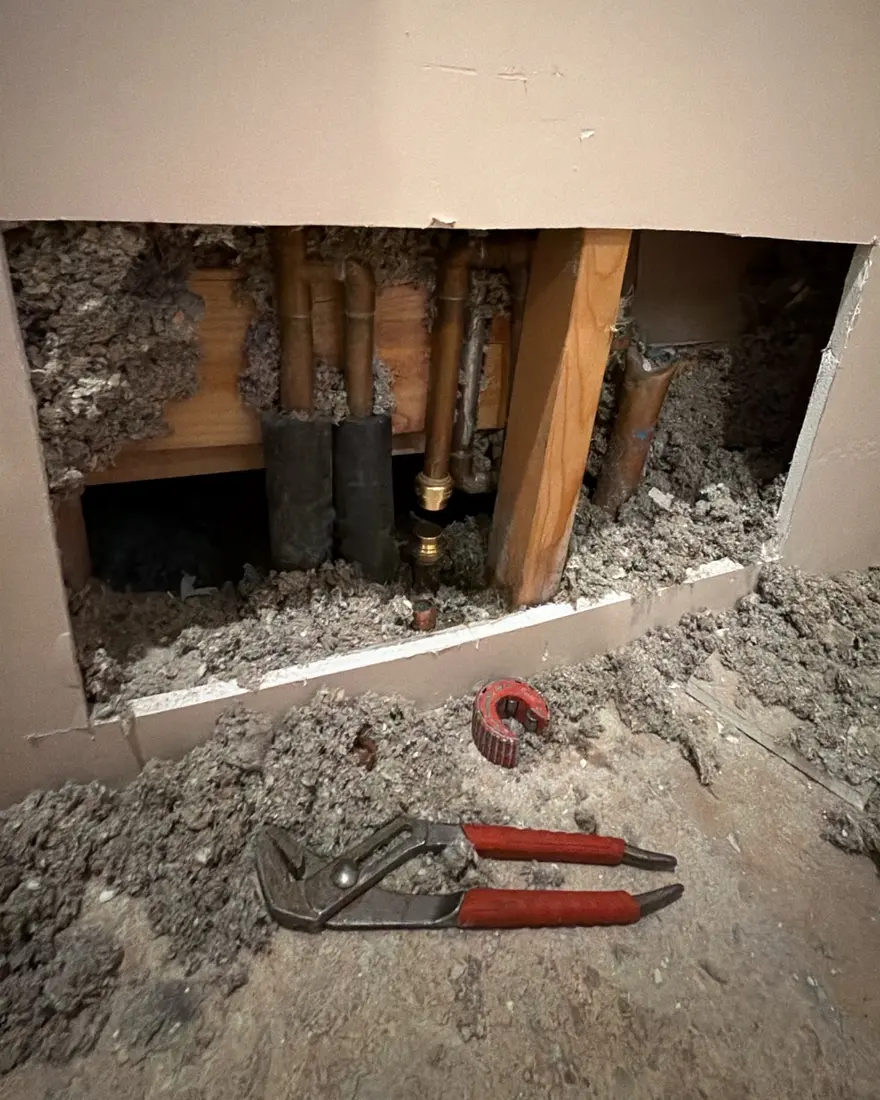
Replacing a single damaged component may resolve an isolated issue. However, widespread deterioration sometimes requires a broader evaluation of the home’s water distribution system.
How to tell whether low water pressure affects one fixture or the whole house.
Before assuming the problem requires a major plumbing repair, take a few minutes to determine exactly where the reduced flow occurs. The pattern of affected fixtures can provide valuable clues.
| What you notice | Possible cause | Next step |
|---|---|---|
| Low pressure at one faucet | Clogged aerator, supply valve, or faucet component | Inspect the fixture and accessible shutoff valve |
| Weak shower pressure | Mineral buildup, showerhead restriction, or mixing valve issue | Inspect the showerhead and compare nearby fixtures |
| Low pressure throughout the house | Supply issue, pressure regulator, main valve, or significant leak | Check for local utility issues and arrange pressure testing |
| Only hot water has weak flow | Hot-water valve, heater connection, or hot-water piping restriction | Compare hot and cold flow at multiple fixtures |
| Pressure drops when multiple fixtures run | Supply capacity limitation or restriction within the plumbing system | Have available flow and system pressure evaluated |
| Sudden pressure loss with unexplained water usage | Possible significant plumbing leak | Investigate promptly and shut off water if an active leak is suspected |
These observations are starting points rather than definitive diagnoses. Different plumbing problems can produce similar symptoms, particularly when several components contribute to restricted water flow.
Low hot water pressure with normal cold water flow.
If cold water flows normally but hot water comes out slowly, the problem may be isolated to the hot-water side of your plumbing system.
Start by comparing hot and cold flow at several fixtures. If weak hot-water flow occurs at only one faucet, the issue may involve that fixture’s cartridge, mixing valve, or supply connection.
If the same problem appears throughout the house, possible causes include a partially closed valve, a restriction near the water heater, a clogged hot-water line, or a malfunctioning plumbing component.
Mineral accumulation may also contribute to restrictions within certain water-heating systems or their associated connections. However, sediment inside a storage water heater does not automatically mean the home’s hot-water pressure will be low.
Tankless systems may experience reduced flow when strainers, filters, heat exchangers, or connected components become restricted. The appropriate diagnosis depends on the specific equipment.
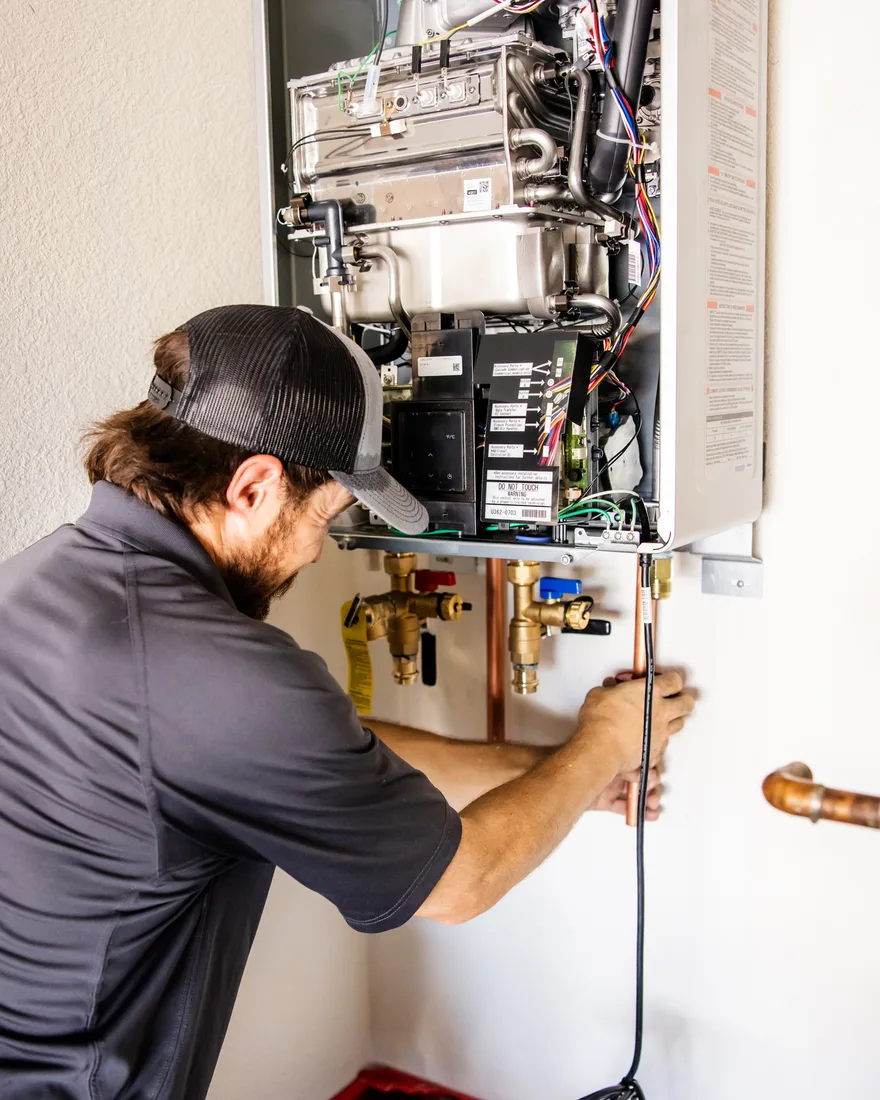
Homeowners should avoid disassembling water heater connections, modifying pressure-related components, or attempting repairs that involve pressurized hot water.
When the problem affects multiple hot-water fixtures, professional testing can help identify whether the restriction originates near the water heater or elsewhere in the home’s plumbing.
Hard water and low water pressure in Arizona homes.
Hard water can contribute to reduced water flow, particularly when mineral deposits accumulate in fixtures, aerators, screens, or narrow plumbing passages.
Many homes across Cave Creek, Carefree, and North Scottsdale receive mineral-rich water. As water evaporates or is heated, dissolved minerals can leave deposits behind.
These deposits are often visible around showerheads and faucets, but some buildup may occur inside equipment and plumbing components where homeowners cannot easily see it.
However, hard water should not automatically be blamed for every pressure problem. A sudden reduction in whole-home pressure is generally more reason to investigate the water supply, regulator, valves, and potential leaks than to assume mineral deposits are responsible.
Mineral deposits can gradually restrict water flow through faucets, showerheads, and certain plumbing components. For homeowners dealing with persistent hard water, water softener installation in Cave Creek can help reduce future scale accumulation and protect compatible plumbing fixtures and appliances.
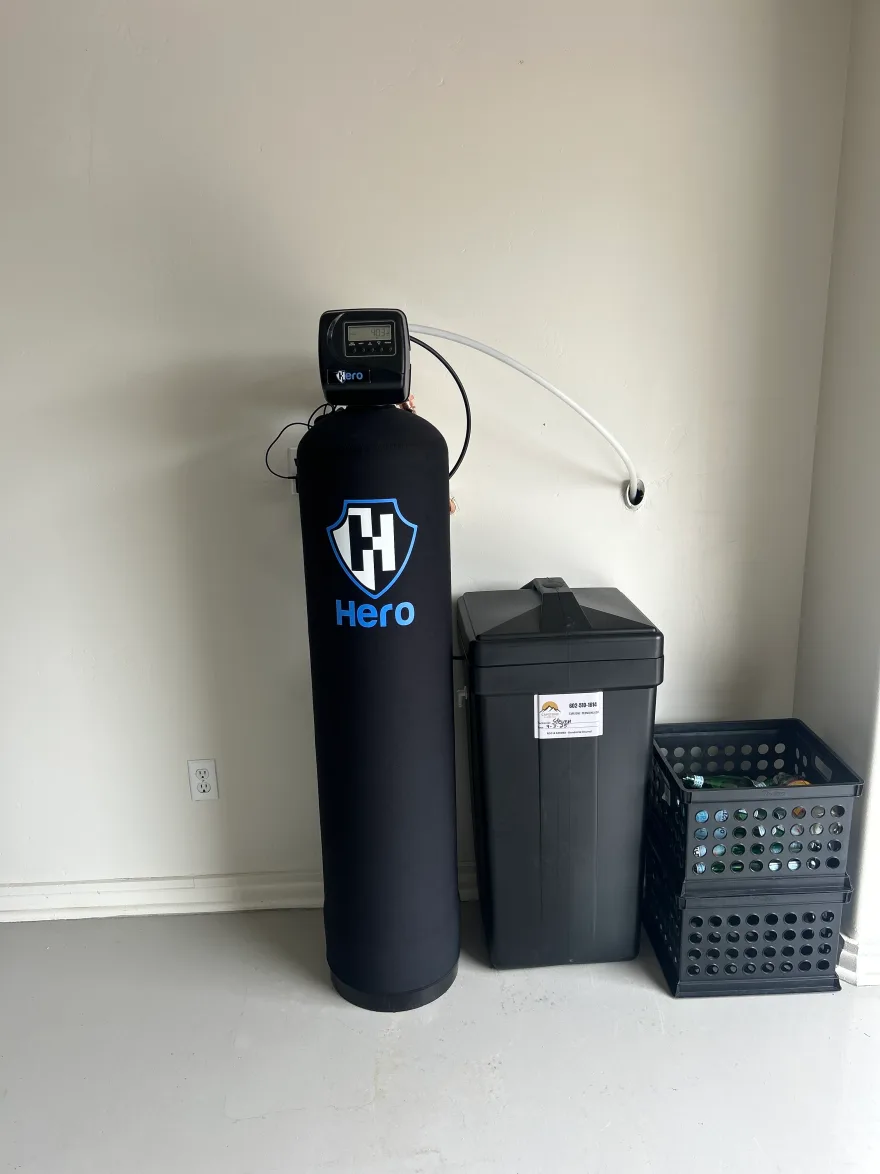
Water softeners are primarily water-treatment systems, not direct repairs for low water pressure. Installing one will not necessarily restore flow through plumbing that is already restricted, and an improperly maintained treatment system can sometimes introduce additional flow restrictions.
Understanding the actual cause of the problem helps homeowners avoid investing in equipment that does not address their symptoms.
How to safely check your home’s water pressure.
There are several simple observations homeowners can make before scheduling a plumbing inspection. These steps can help determine whether the problem is isolated or more widespread.
Step 1 — compare multiple faucets
Turn on the cold water at different fixtures throughout the home. Pay attention to whether the flow is consistently weak or whether only certain fixtures are affected.
Repeat the comparison using hot water where available. This can help establish whether the issue affects the entire plumbing system or a particular branch.
Step 2 — inspect accessible faucet aerators
If only one faucet has weak flow, inspect its aerator for visible debris or mineral deposits.
Follow the fixture manufacturer’s instructions for safely removing and cleaning the aerator. Some components can be damaged by harsh cleaning chemicals or excessive force.
If the aerator is badly deteriorated, replacement may be more practical than continued cleaning.
Step 3 — check for partially closed valves
Inspect accessible fixture shutoff valves and consider whether recent plumbing maintenance could have affected their position.
Do not force stuck valves or attempt adjustments to unfamiliar pressure-regulating equipment.
Step 4 — test incoming water pressure
A water pressure test gauge can provide useful information about the pressure entering your home.
According to the EPA WaterSense home maintenance guidance, residential water-using fixtures generally perform best when incoming service pressure is between 45 and 60 PSI.
To perform a basic static pressure test:
- Make sure faucets, appliances, and other water-using systems are turned off.
- Attach an appropriate water pressure gauge to a compatible outdoor hose bib.
- Open the valve fully and record the pressure reading.
- Compare the reading with the expected operating range and note any unusual fluctuations.
A pressure reading is only one part of the diagnostic process. A normal static reading does not necessarily rule out restrictions that become apparent when water is flowing.
Gauge placement also matters. If the hose bib is connected before the home’s pressure regulator, the reading may reflect supply pressure rather than regulated household pressure.
If the reading is unusually low or high, or if the results do not match the symptoms inside the home, a professional plumber can perform additional testing.
Why water pressure drops when multiple fixtures are running.
Have you noticed your shower getting weaker when someone starts the washing machine, runs the dishwasher, or turns on another faucet?
Some change in available flow is normal when several fixtures operate simultaneously. However, a dramatic reduction may indicate that the water distribution system cannot deliver sufficient flow under increased demand.
Possible contributing factors include:
- Undersized plumbing lines or supply connections.
- Restricted or partially closed valves.
- Pressure regulator performance problems.
- Internal pipe corrosion or debris.
- Restrictions within filters or water treatment equipment.
- Insufficient pressure or flow from the incoming water supply.
A professional diagnosis may involve comparing static pressure with pressure measured while water is running. This helps distinguish a low-pressure supply problem from excessive pressure loss caused by restrictions or inadequate pipe capacity.
When low water pressure signals a plumbing emergency.
Most low-pressure complaints are not emergencies. A clogged showerhead or partially closed fixture valve is usually an inconvenience rather than an immediate threat to the home.
However, sudden and severe pressure loss deserves prompt attention, especially when accompanied by evidence of a significant leak.
Contact a professional promptly if you notice:
- A sudden loss of pressure throughout the entire home.
- Water pooling near plumbing lines or inside the house.
- Rapidly increasing water usage with no clear explanation.
- Sounds of rushing water when all fixtures are off.
- Visible pipe damage or active water escaping from a connection.
If you discover an active leak, shut off the home’s main water supply when it is safe and practical to do so. If water is approaching electrical equipment, avoid the affected area and seek appropriate emergency assistance.
When low water pressure occurs alongside unexplained water usage, damp flooring, or the sound of running water behind walls, a concealed plumbing leak may be responsible. In these situations, professional leak detection can help pinpoint the source of the problem before additional water damage occurs.
When to call a plumber for low water pressure.
If cleaning a restricted fixture or confirming an accessible valve position does not resolve the problem, the next step may require professional testing.
A qualified plumber can investigate issues that are difficult to identify through visual inspection alone.
Depending on the symptoms, this may involve measuring incoming pressure, evaluating the pressure regulator, checking plumbing connections, inspecting the water heater’s supply components, or identifying restrictions within the distribution system.
Professional diagnosis is particularly valuable when multiple fixtures are affected, pressure fluctuates unpredictably, or the problem appears suddenly.
Just as importantly, identifying the actual source of reduced flow can prevent unnecessary repairs or equipment replacements. A properly diagnosed pressure problem may require only a minor fixture repair, while more complicated cases can involve regulators, supply lines, or aging plumbing components.
Low water pressure diagnosis and repair in Cave Creek and the North Valley.
Low water pressure can be caused by something as simple as a clogged faucet aerator or something more complicated, such as a failing pressure regulator, restricted plumbing line, or hidden leak.
The key is understanding where the problem occurs and addressing the underlying cause rather than relying on temporary fixes. For Arizona homeowners, paying attention to mineral buildup, aging plumbing components, and sudden changes in water flow can help identify problems before they become more disruptive.
Based in Cave Creek, Capstone Plumbing is a woman-owned, family-operated plumbing company serving Carefree, North Scottsdale, Desert Mountain, Troon North, Desert Ridge, and surrounding North Valley communities.
With more than 25 years of combined industry experience, Capstone’s plumbing team focuses on diagnosing problems accurately, explaining repair options clearly, and providing upfront pricing before work begins.
Persistent low water pressure shouldn’t be ignored, especially when it affects multiple fixtures or appears suddenly. Capstone Plumbing can diagnose pressure-related issues, identify underlying plumbing problems, and recommend appropriate repairs.
Call Capstone Plumbing at (602) 510-1614 to discuss your low water pressure concerns and schedule a plumbing inspection.